Swiss Slot Mechanics: How Jackpot Structures Shape Promotion Strategies in Regulated Mobile Platforms
Geschrieben von Blake Jenkins · 18.8.2026
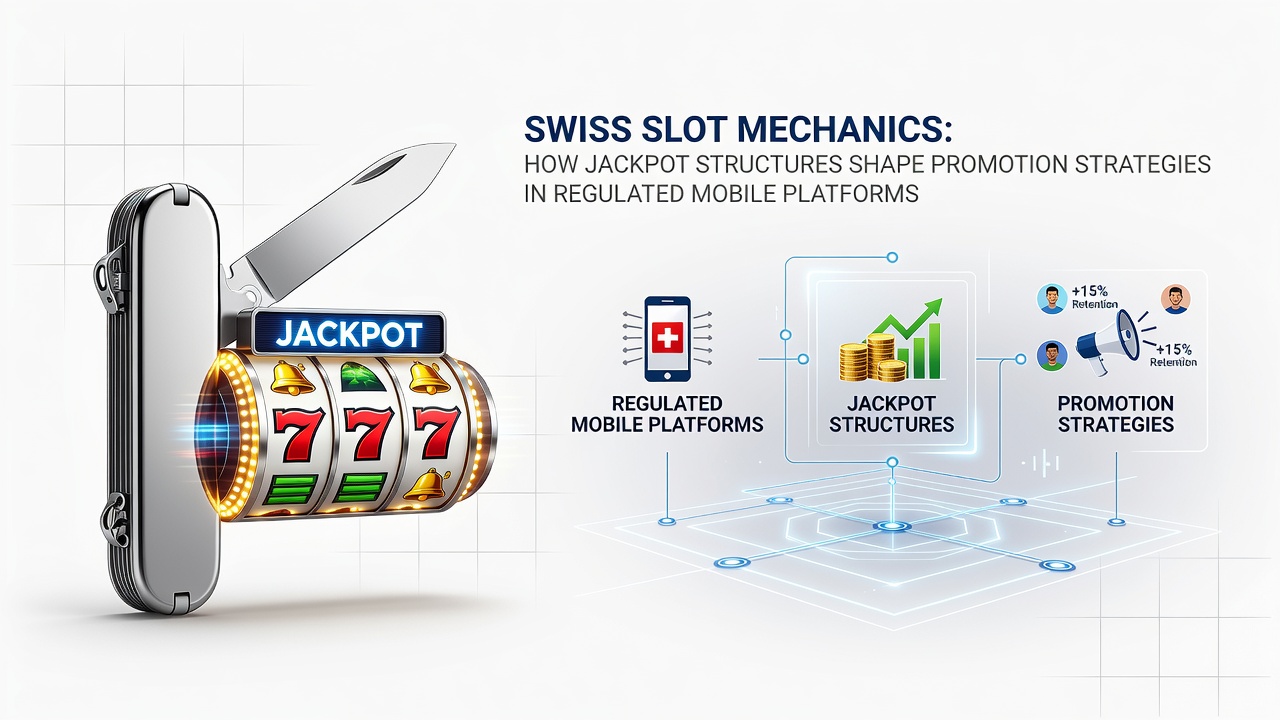
Swiss Slot Mechanics: How Jackpot Structures Shape Promotion Strategies in Regulated Mobile Platforms
Swiss gambling regulation centers on the Federal Act on Games of Chance and Casinos which took effect in 2019 and established clear boundaries for online and mobile operations while requiring all platforms to hold licenses from cantonal or federal authorities. Slot mechanics in this environment revolve around certified random number generators along with structured jackpot systems that must meet transparency standards set by the Swiss Federal Gaming Board. Data from licensed operators shows that jackpot configurations directly influence how promotions are designed because larger prize pools require specific contribution rates from player bets and these rates affect bonus eligibility rules across mobile apps.
Jackpot Structures in the Swiss Market
Fixed jackpots maintain a predetermined maximum payout regardless of player volume whereas progressive systems accumulate contributions from multiple games or sites and create escalating prize levels that reset after each win. Regulated Swiss platforms must display these mechanics clearly in mobile interfaces so users understand the probability tiers and contribution percentages before placing bets. Industry reports indicate that progressive jackpots account for the majority of promotional budgets because operators tie deposit bonuses and free spin offers to specific jackpot categories in order to manage liability exposure while complying with advertising restrictions that prohibit misleading claims about win chances.
Regulatory Framework and Mobile Compliance
Operators must integrate geolocation checks and age verification within mobile applications before any jackpot participation occurs and these technical requirements shape how promotions launch across different cantons. The Swiss system separates casino-style games from lotteries so jackpot structures on mobile slots fall under casino licensing which demands independent testing of payout percentages at regular intervals. Updates scheduled for August 2026 will introduce enhanced reporting on jackpot contribution flows which will require platforms to adjust promotion calendars to align with new disclosure timelines and this shift affects how marketing teams time their bonus campaigns throughout the year.
Promotion Strategies Tied to Jackpot Types
Operators design welcome packages and loyalty rewards around jackpot categories because progressive systems allow for tiered promotions that scale with player deposit size while fixed jackpots support simpler match bonuses with lower wagering requirements. Research from the European Gaming and Betting Association highlights that Swiss platforms allocate roughly 35 percent of their promotional spend to jackpot-linked offers compared with other European markets where the figure sits closer to 25 percent. This allocation pattern stems from the need to attract users within a tightly regulated environment where advertising channels remain limited and mobile notifications must carry clear risk warnings alongside any jackpot promotion.
Take the example of one operator that launched a mobile campaign linking a 100 percent deposit match directly to progressive jackpot contributions and the structure required players to opt into the jackpot pool before the bonus activated. Such campaigns demonstrate how the underlying mechanics dictate the legal language used in promotion terms and the timing of push notifications sent to active users. Another platform introduced daily jackpot leaderboards that feed into weekly free spin distributions and this approach allowed the operator to maintain player engagement without violating rules on guaranteed wins or exaggerated payout promises.
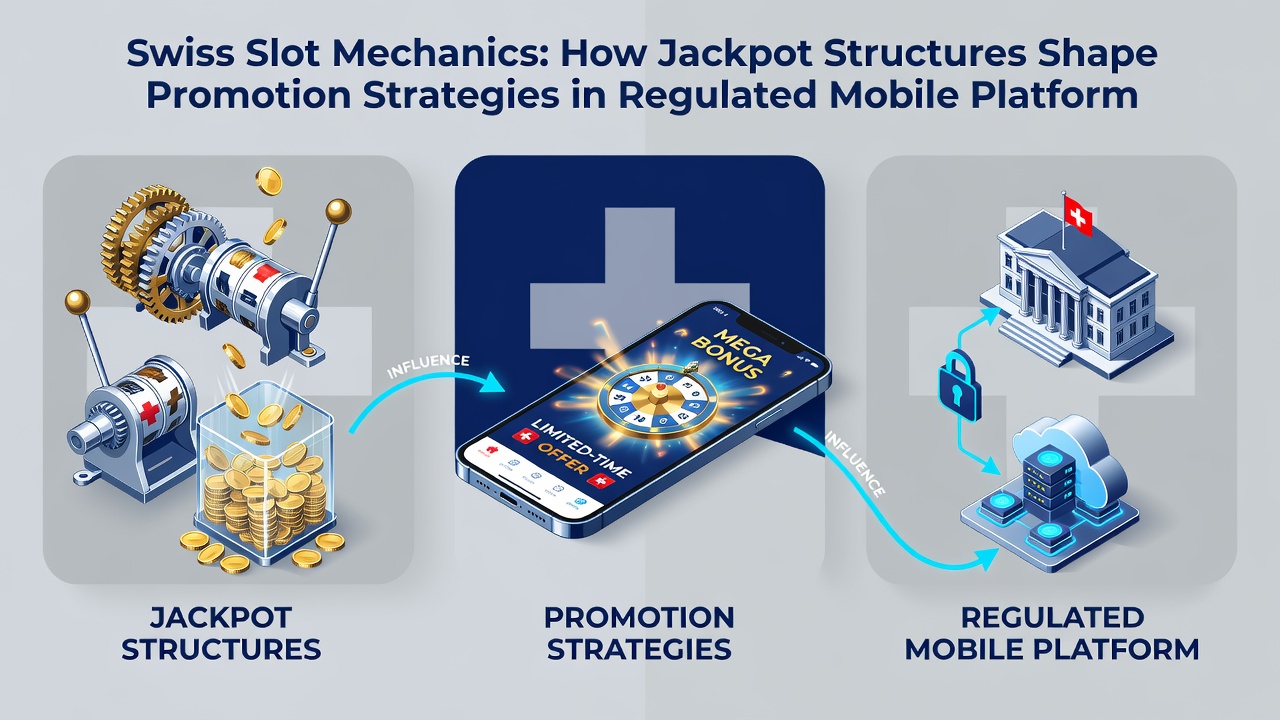
Impact on Mobile User Experience
Mobile platforms incorporate real-time jackpot meters that update via secure APIs and these displays influence how users interact with promotion banners because visible growth in prize pools encourages continued play within approved session limits. Data from the Swiss Federal Gaming Board shows that sessions involving progressive jackpots last on average 12 minutes longer than those on fixed jackpot games yet operators must still enforce responsible gaming tools such as deposit caps and reality checks regardless of the jackpot type selected. Promotion strategies therefore incorporate these session metrics by offering time-limited boosts that activate only after a minimum number of spins on certified titles.
Future Developments and August 2026 Adjustments
Planned regulatory refinements for August 2026 will require all licensed mobile operators to publish detailed jackpot contribution reports on a quarterly basis and this transparency measure will likely prompt new promotion formats that highlight verified payout histories rather than projected prize growth. Industry observers note that operators are already testing segmented offers where high-value jackpot players receive personalized reload bonuses while casual users see fixed jackpot promotions with simpler entry conditions. These segmented approaches align with the broader goal of maintaining compliance while sustaining revenue across Switzerland's regulated mobile ecosystem.
Conclusion
Jackpot structures serve as the foundation for promotion design in Swiss regulated mobile platforms because they determine contribution rates, bonus eligibility, and advertising language that operators can legally employ. The upcoming changes in August 2026 will further tie these mechanics to reporting obligations and will encourage continued innovation in how platforms present offers to users. Licensed operators continue to balance player engagement with strict oversight and this balance shapes the mobile experience for everyone participating in the Swiss market.