Swiss Bonus Compliance Frameworks: Mapping Responsible Gaming Protocols Against Mobile Slot Jackpot Structures and Wagering Conditions
Geschrieben von Blake Jenkins · 23.8.2026
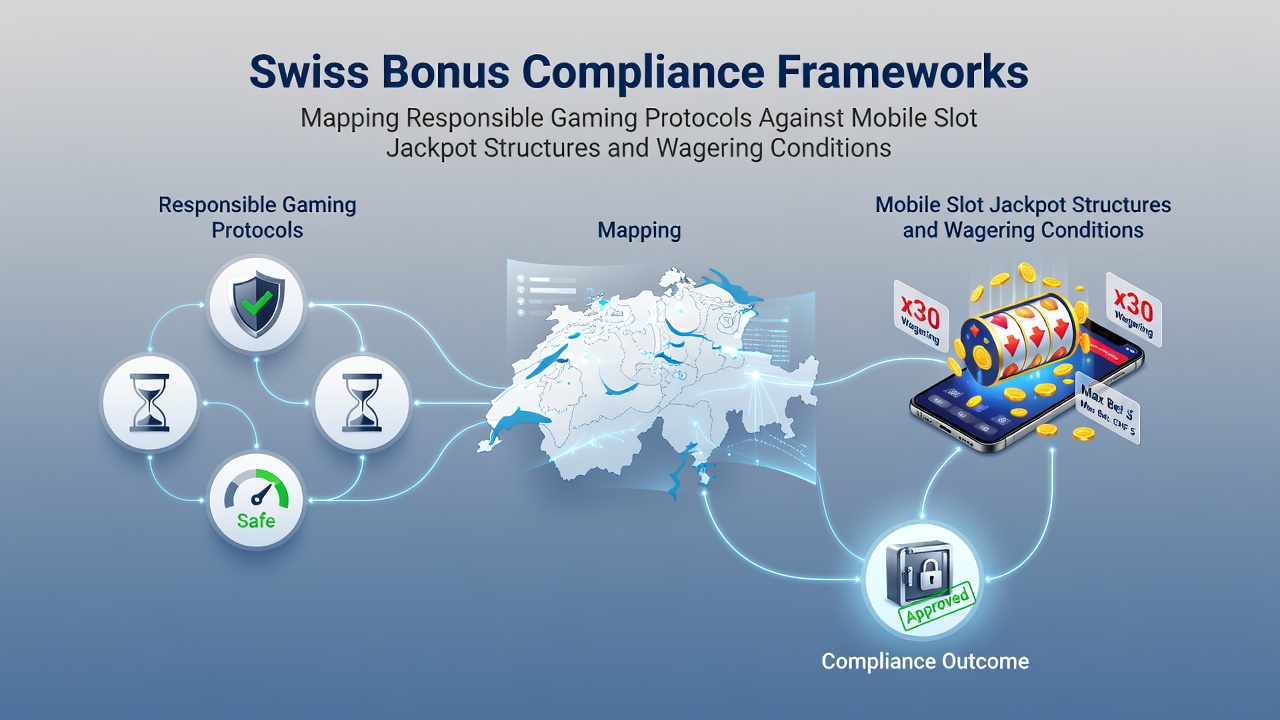
Swiss Bonus Compliance Frameworks: Mapping Responsible Gaming Protocols Against Mobile Slot Jackpot Structures and Wagering Conditions
Switzerland maintains a structured approach to gambling oversight through federal legislation that governs bonus offerings, responsible gaming measures, and technical requirements for mobile platforms. The Swiss Federal Act on Gambling, enacted in 2019 and refined through subsequent ordinances, establishes clear parameters for how operators structure promotional incentives while enforcing player protection standards across desktop and mobile channels.
Regulatory Foundations and Oversight Bodies
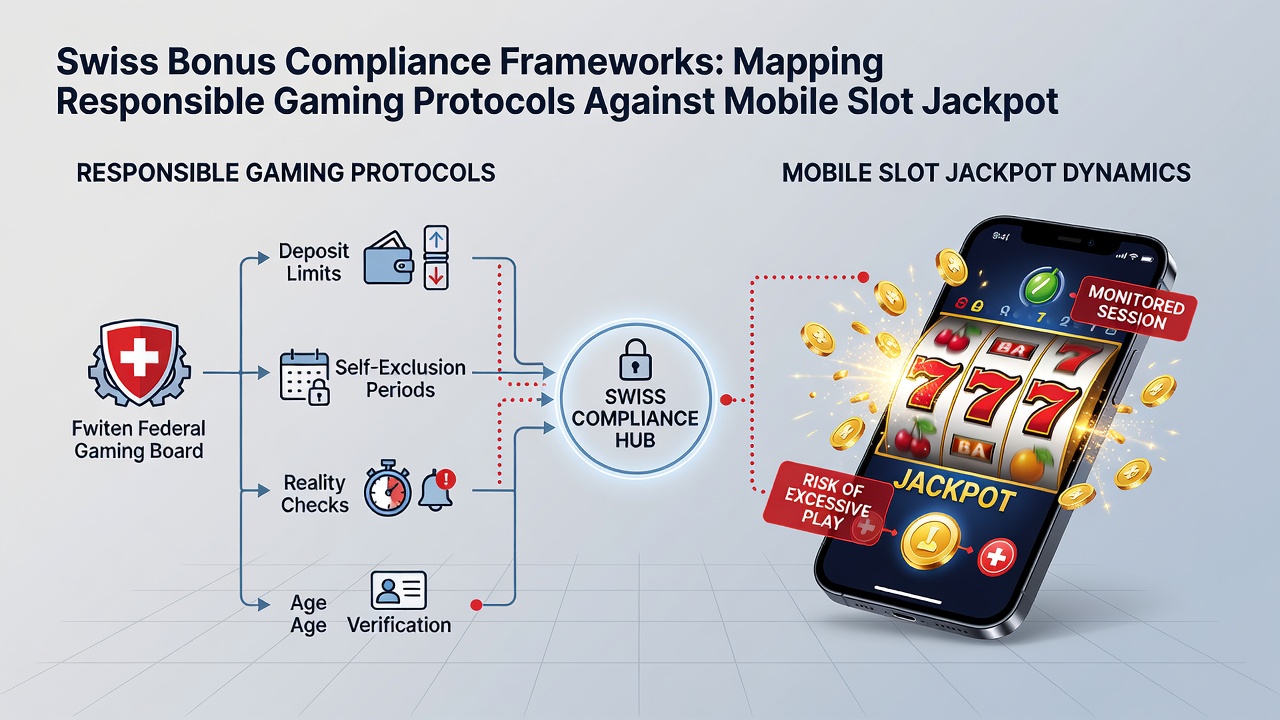
Data from the Swiss Federal Office of Justice shows that licensing conditions require operators to align bonus promotions with predefined responsible gaming thresholds, including deposit limits, session time caps, and mandatory reality checks. These rules apply uniformly whether players access games through regulated mobile applications or browser-based platforms, creating a consistent compliance baseline that covers jackpot configurations and associated wagering multipliers.
Observers note that the Intercantonal Supervisory and Appeals Commission for Gambling monitors adherence through periodic audits, with particular attention to how mobile slot jackpot structures interact with bonus activation rules. Figures released in regulatory summaries indicate that jackpot contribution rates toward wagering requirements typically range between 50 and 100 percent depending on the game category, a distinction that helps prevent excessive risk exposure during promotional play.
Responsible Gaming Protocols in Practice
Swiss frameworks integrate self-exclusion registries, spending trackers, and cool-off periods directly into bonus eligibility criteria. Operators must ensure that players who have activated responsible gaming tools cannot receive or activate bonuses that would extend play beyond established personal limits. Research conducted by the University of Lausanne demonstrates that these integrated controls reduce the incidence of prolonged sessions on high-volatility mobile slots by measurable margins when compared to unregulated environments.
Jackpot Structures and Their Interaction with Bonuses
Mobile slot jackpot structures in the Swiss market generally fall into fixed, progressive, or local categories, each carrying distinct weighting when mapped against bonus playthrough conditions. Progressive jackpots often receive lower contribution percentages toward wagering totals because their payout frequency and variance differ from standard reel outcomes. This differentiation appears in operator technical documentation submitted during licensing reviews, ensuring that bonus funds tied to jackpot games do not disproportionately influence player behavior toward higher-risk mechanics.
According to reports compiled by the European Gaming and Betting Association, Swiss platforms display jackpot meters with real-time updates that also indicate whether participation counts toward active bonus requirements. Such transparency measures stem from federal guidelines that became mandatory following the 2019 legislative overhaul, and they remain subject to further refinement during scheduled compliance reviews set for August 2026.
Wagering Conditions and Compliance Mapping
Wagering conditions specify the number of times bonus amounts must be played through before withdrawal eligibility, with Swiss regulations capping these multipliers at levels that reflect game volatility and jackpot type. Operators document these mappings in detailed compliance matrices that cross-reference each game identifier with its contribution rate, maximum bet restrictions during bonus play, and any jackpot-specific exclusions. The result is a transparent system where both regulators and players can verify how individual mobile slot features align with responsible gaming thresholds.
Those who have examined licensing applications observe that jackpot wins generated from bonus funds undergo additional verification steps, including confirmation that the underlying wager complied with all contribution rules. This process prevents circumvention through high-stakes jackpot bets and maintains the integrity of the overall player protection architecture.
Conclusion
Swiss bonus compliance frameworks continue to evolve through ongoing alignment between responsible gaming protocols and the technical realities of mobile slot jackpot structures. By maintaining explicit mappings for wagering conditions, regulatory bodies ensure that promotional activities remain consistent with player protection objectives across all licensed platforms. Data collected through routine audits and academic studies supports the continued refinement of these intersections, particularly as mobile technology introduces new jackpot formats and engagement features.