Regulatory Ties That Bind: Tracing Swiss Licensing Rules Through Mobile Slot Incentives and Player Protection Protocols
Geschrieben von Blake Vogel · 25.8.2026
Regulatory Ties That Bind: Tracing Swiss Licensing Rules Through Mobile Slot Incentives and Player Protection Protocols
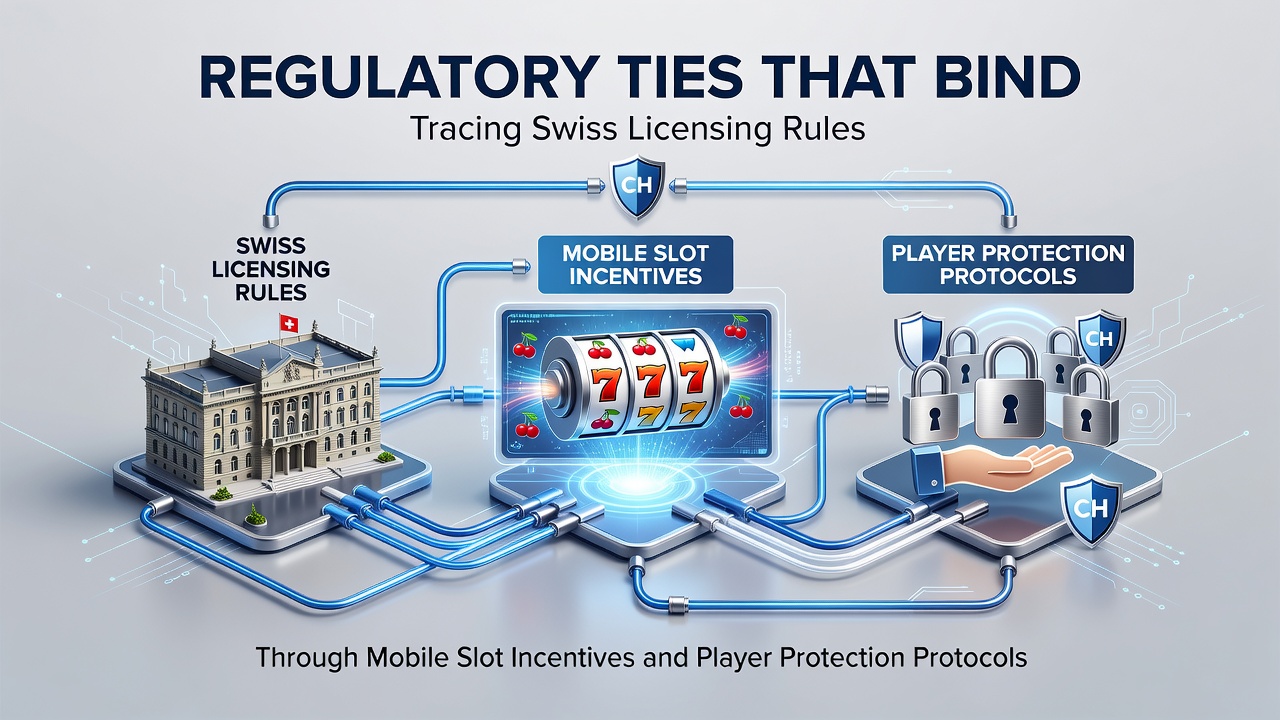
Swiss licensing rules create direct connections between operator approvals, mobile slot incentives, and mandatory player protection measures that operators must maintain to retain their status. The Federal Act on Games of Chance and Casinos along with its implementing ordinances establishes these requirements at the federal level, and licensed entities must demonstrate ongoing compliance through regular reporting cycles. Mobile platforms receive particular attention because they allow continuous access, which prompts specific rules around session monitoring and promotional structures that differ from land-based operations.
Core Elements of Swiss Licensing for Mobile Operations
Operators seeking licenses submit detailed plans covering game mechanics, bonus structures, and protection tools before approval occurs, and regulators review these submissions against technical standards set by the Swiss Federal Gaming Board. Once granted, a license ties the operator to precise conditions on how incentives function, including wager requirements, eligibility criteria, and maximum values tied to player deposit history. Data from regulatory filings shows that mobile slot promotions undergo additional scrutiny because algorithms can adjust offers in real time based on user behavior, creating potential for patterns that require built-in safeguards.
Linking Incentives to Licensing Conditions
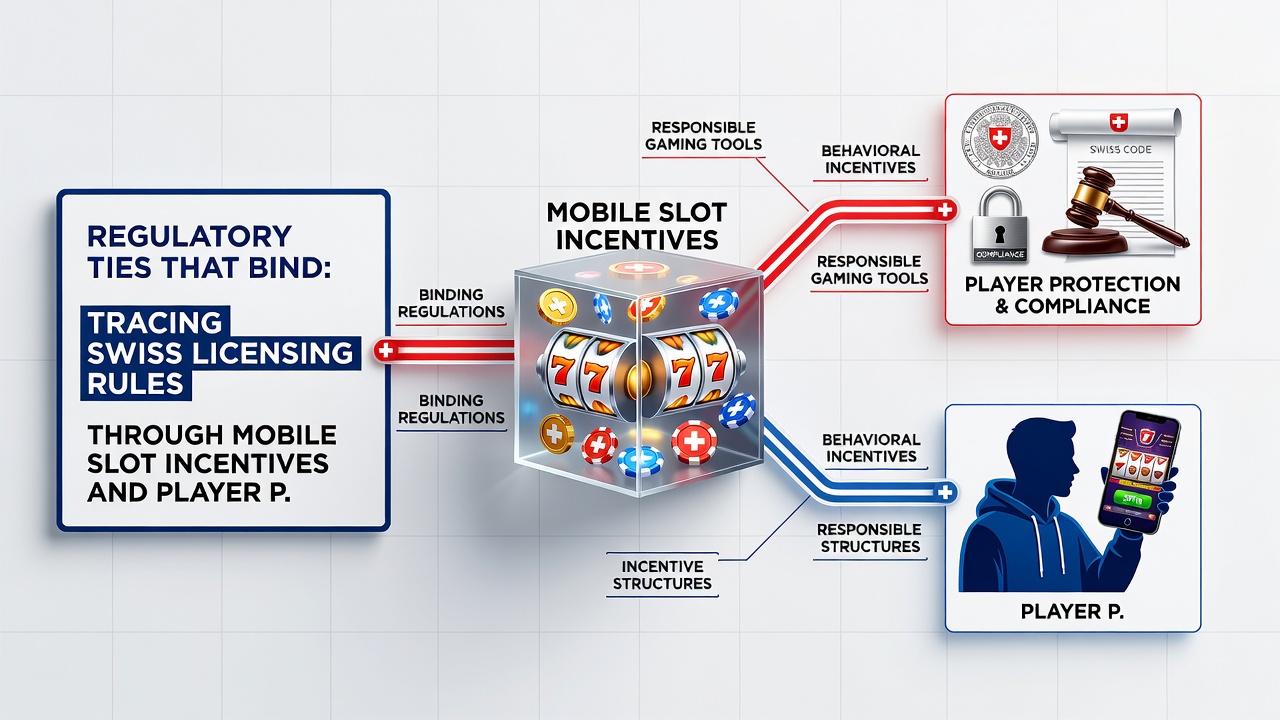
License conditions explicitly cap certain promotional tactics on mobile slots to prevent excessive play volume, and operators must embed these limits into their platform code before launch. For example, free spin bundles or deposit match offers on mobile titles carry mandatory playthrough thresholds that align with overall responsible gaming targets, and any deviation triggers compliance reviews. Those who have examined license documents note that incentive structures must include clear opt-out pathways and transparent terms that users encounter before activation, which prevents hidden escalation of play. In August 2026, updated technical guidelines are scheduled to require real-time reporting of incentive redemptions across mobile channels, allowing authorities to cross-reference promotional activity against individual protection profiles maintained by each licensed operator.
Player Protection Protocols Embedded in License Terms
Protection measures form an inseparable part of license validity, and operators integrate deposit limits, reality checks, and self-exclusion registers directly into mobile slot interfaces. These tools connect to central databases that licensed providers must query before processing any incentive or continued play session. Research from European gambling studies indicates that Swiss rules require operators to apply loss limits uniformly across desktop and mobile environments, while mobile-specific protocols add location verification and device-binding features to strengthen enforcement. Figures from compliance audits reveal that operators failing to maintain synchronized protection data across platforms face license suspension proceedings, which underscores the binding nature of these requirements.
Enforcement Mechanisms and Cross-Border Considerations
Enforcement relies on continuous data feeds from licensed platforms to regulatory systems, and authorities conduct both scheduled and unannounced audits that examine incentive logs alongside protection intervention records. Operators must maintain audit trails that demonstrate how each mobile slot promotion respects the protection parameters attached to individual player accounts. International comparisons appear in regulatory discussions, and observers reference frameworks such as those maintained by the Alcohol and Gaming Commission of Ontario when evaluating Swiss technical standards for mobile environments. Academic analyses from institutions including the University of Melbourne have examined how license conditions in smaller regulated markets influence promotional design, providing data points that Swiss authorities consult during policy reviews.
Technical Integration of Rules on Mobile Platforms
Platform architecture must incorporate license-mandated controls at the code level, and developers build verification steps that check player status against protection registers before any incentive activates. Mobile slot titles therefore carry metadata tags that flag bonus eligibility according to current deposit and loss thresholds, which prevents circumvention through device switching. Those who have reviewed implementation reports note that operators document these integrations during license renewal processes, and regulators verify functionality through test accounts that simulate various player profiles. The result ties every promotional element directly to the license terms that govern player safeguards.
Conclusion
Swiss licensing rules establish clear pathways that connect mobile slot incentives with player protection obligations, and operators must satisfy both simultaneously to maintain authorization. Regulatory updates scheduled for August 2026 will further tighten reporting linkages between these areas, requiring platforms to demonstrate integrated compliance in real time. Data from existing filings and technical audits confirm that the system operates through embedded controls rather than separate oversight layers, creating a unified framework that governs all licensed mobile activity.